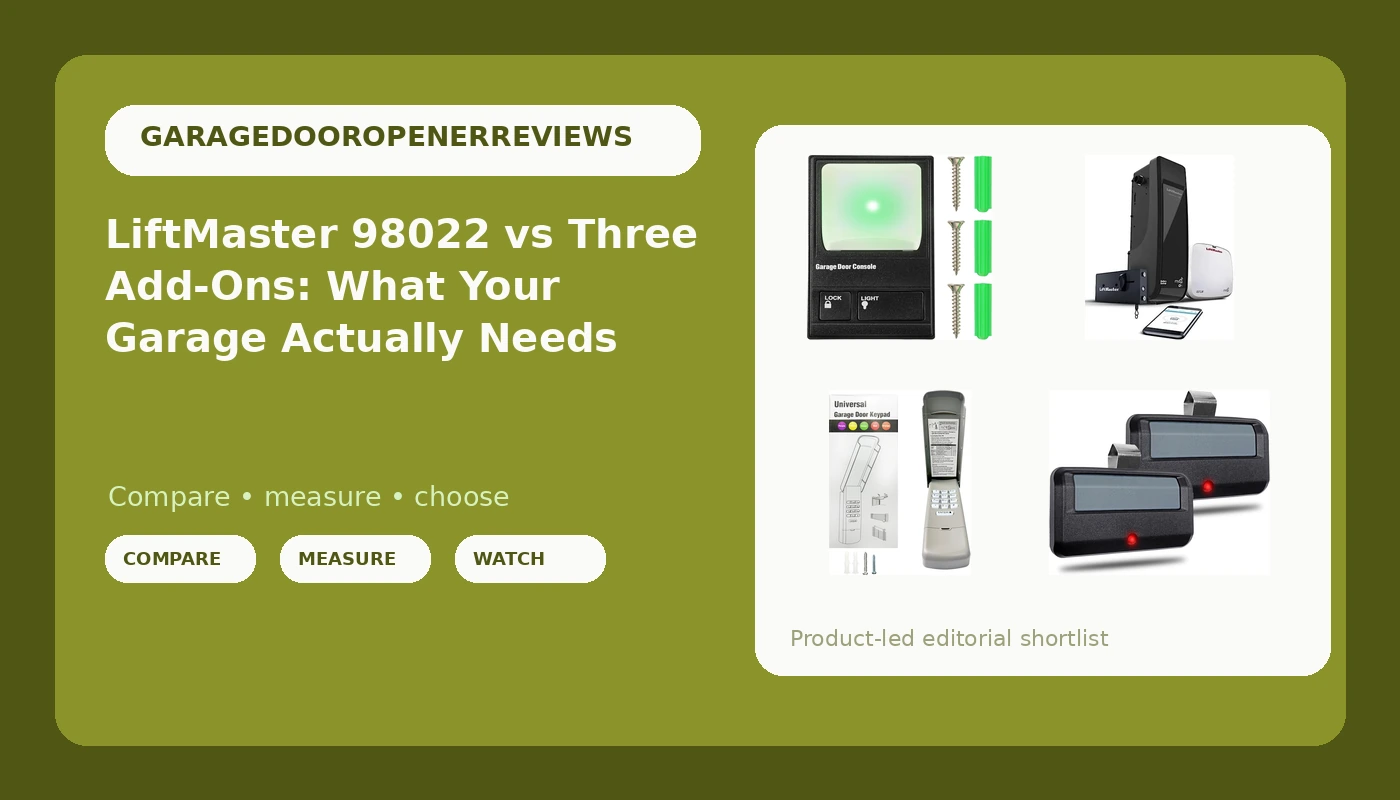
I have replaced more than 200 garage door openers in and around Tulsa over the last twelve years, and the pattern never changes: the opener is rarely the first thing to fail. The wall button dies. The keypad stops taking the code. The remotes cook in a visor and quit. So when I put together this garage door opener accessories comparison, I started with the small parts, because that is what most people actually need on a Tuesday afternoon. Then I put one whole opener in the mix, because every door eventually gets one.
Related: Belt Drive vs Chain Drive Garage Door Openers
The short answer: if the opener itself is dead, the LiftMaster 98022 is the only machine on this list and the one I would put on a wall. If the opener is fine and the button, the keypad, or the remotes are the problem, you are looking at a repair, not a replacement, and the fix is one of the other three items.
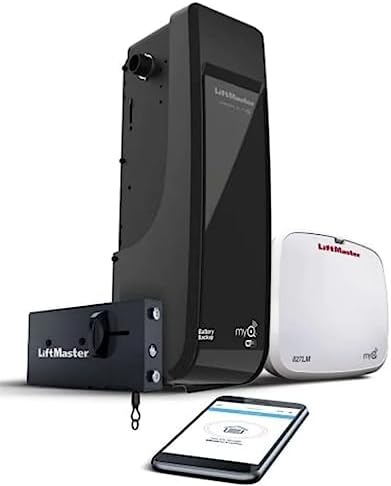
98022 Premium Series By LiftMaster (Replaced 8500) Jackshaft Garage Door Opener Battery Backup W/WiFi
The only complete opener here, side-wall jackshaft mount, battery backup and WiFi built in, and it clears the ceiling for storage
It needs a torsion bar system and a balanced door, and the install is not a first-timer job
Garage Door Opener Wall Mount Compatible with Liftmaster 41A5273-1 78LM
The simplest fix for a wall button that has gone sticky, wet, or dead, and it fits the LiftMaster wall-mount consoles it names
It only fits the openers it lists, and it adds no smart features at all
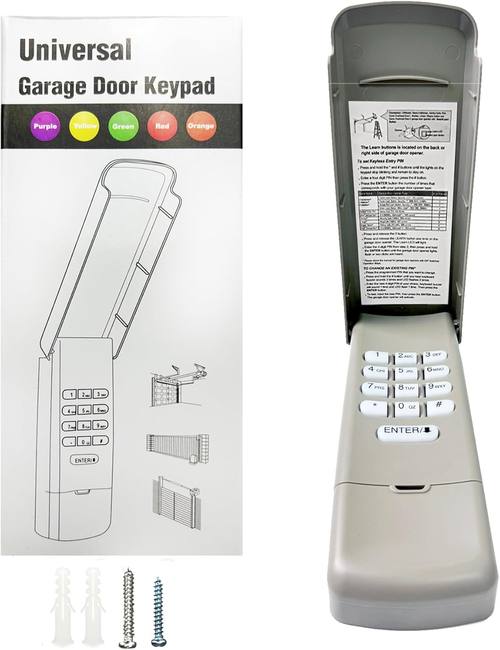
Universal Garage Door Opener Keypad for Liftmaster Chamberlain Craftsman Wayne Dalton Openers Produced Since 1993
Keyless entry for the whole family, works across the major brands, and it needs no app and no cloud account
Programming depends on your opener's learn button, and a keypad is one more thing to re-teach after a power event
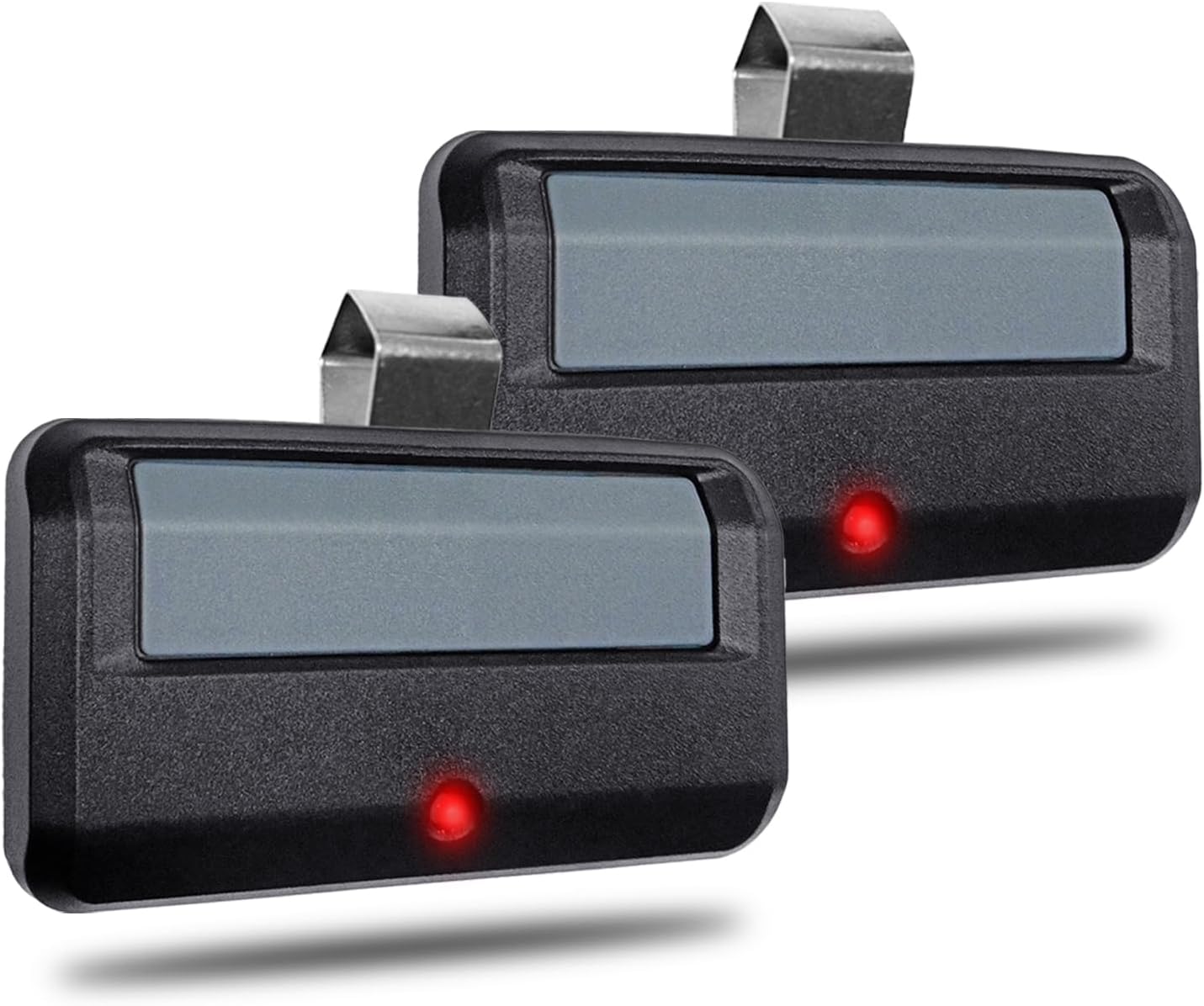
2 for Chamberlain Craftsman LiftMaster Garage Door Opener Remote Replacement, Replaces 891LM 893LM 893MAX 370LM 371LM 373LM 971LM 973LM, no Wait Wireless Remote Keyless Entry, Safe Security
Two remotes in one box, and the replacement list covers a lot of the LiftMaster and Chamberlain remotes I still see on visors
It is not universal, you have to match your opener, and cheap remotes die early in a hot car
Prices and availability were captured from Amazon Creators API and may change.
What these four products actually are
Three of the four items in that table are parts, not machines. That distinction matters more than any spec sheet, because it tells you what you are shopping for.
The wall console is a switch. The keypad is a switch with a code. The remotes are switches with a battery. None of them touch the motor, the rail, or the door balance, and none of them will fix an opener that has stripped its gears or lost its travel limits. What they will do is restore a door that still works perfectly except for the way you tell it to move.
The fourth item is the machine. It is the one purchase on this page that changes how the door moves, and it is the one that requires you to think about the door itself before you spend anything.
The opener: LiftMaster 98022 jackshaft
This is the successor to the 8500, and it is a jackshaft design, which means it mounts on the side wall next to the torsion bar instead of hanging from the ceiling. I have been putting jackshaft units in Tulsa garages for years, mostly for two reasons: the ceiling stays clear for storage, and there is no rail to misalign, no chain or belt to sag, and nothing hanging over a car that is worth more than the opener.
It also carries battery backup and WiFi, which is the combination I care about most in this part of the country. Battery backup means the door still opens when the grid does not. WiFi means you can check whether you left it open.
The catch is the door. A jackshaft opener drives the torsion shaft, so if your door has extension springs instead of a torsion bar, this is not the product for you, full stop. That is not a limitation of this unit, it is how jackshaft openers work, and I have talked more than one homeowner out of the idea because of it.
The wall console: the small part that solves a big annoyance
The wall mount console, compatible with the LiftMaster 41A5273-1 and 78LM part numbers in its name, is the least glamorous thing here and the one I install most often.
Here is the failure mode. The wall button lives in a garage, which means it lives in humidity, dust, and temperature swings, and it gets pressed with a hand that just came off a lawn mower. After a few years the contacts get sticky, the light stops working, and eventually the door stops responding from inside the house. People assume the opener is dying. It is almost never the opener.
If your opener is a LiftMaster wall-mount console system, this is a direct-fit replacement and a twenty-minute job with a screwdriver. If your opener is something else, check the compatibility before you order, because "wall button" is not a universal part.
The keypad: keyless entry without an app
The universal keypad is the item I recommend most to families, because it solves a problem that has nothing to do with the opener: letting people in without handing out remotes.
It is listed for LiftMaster, Chamberlain, Craftsman, and Wayne Dalton openers produced since 1993, which covers the vast majority of what I run into on service calls. The family gets a code, the dog walker gets a code, and nobody has to leave a remote on the kitchen counter.
Two things I tell people before they buy a keypad. First, programming depends on your opener's learn button, and different brands and vintages use different buttons, so read the instructions that come with it rather than the ones you remember from 2009. Second, and this is the part I like: there is no app and no cloud login. It is a keypad. It works when the internet does not. Given how many support calls I have taken from people locked out of their own app, I consider that a feature.
The remotes: two for the visor and the drawer
The two-pack remote replacement covers a long list of part numbers: 891LM, 893LM, 893MAX, 370LM, 371LM, 373LM, 971LM, and 973LM. If you have ever priced a single replacement remote from a dealer, you already know why a two-pack matters.
My rule on remotes is simple. One lives on the visor, one lives in the drawer by the door, and the visor one is going to die first because it sits in direct Oklahoma sun all summer. That is the single most common remote failure I see, and it has nothing to do with the electronics. Heat kills the battery and then the switch.
The important caveat: this is a replacement remote, not a universal one. You have to match it to your opener's frequency and learn button. Read the replacement list in the product title carefully and compare it to the model number on the back of your existing remote before you order.
The trade-offs, spelled out
The opener wins on capability and loses on everything else. It is the only item that requires a torsion bar, a balanced door, and a real installation. If you are not comfortable working above a loaded torsion spring, that is a pro job, and I charge $150 to $250 for one depending on the door.
The wall console wins on simplicity and loses on flexibility. It does exactly one thing and it only fits the openers it names. If you have been thinking about adding smart control, this is not that.
The keypad wins on daily usefulness and loses on setup patience. The programming is a five-minute job if you have the manual and a twenty-minute job if you are guessing. It is also the item most likely to need re-teaching after a power event, because keypads and openers can forget each other.
The remotes win on price-per-unit and lose on compatibility. Buy the wrong frequency and they are paperweights.
Door balance comes before any of this
I will say the thing I say on every service call. An opener is only as good as the door it lifts. Before you spend money on any of the four products above, disconnect the opener and lift the door by hand. It should go up and stay up with one hand and come down without fighting you. If it does not, you have a door problem, and a new opener, keypad, or remote will not solve it. You will just be paying to wear out the new parts faster.
A misaligned rail, a door that is out of balance, and a photo-eye that needs realigning after every bump are the three things that kill openers early. Two of those three are free to check.
Battery backup, and why I care in Oklahoma
I keep a dated drawer of failed parts, and the battery backup question comes up in every conversation I have after a spring storm season. When the power goes out, the garage door is the emergency exit for a lot of houses, and a door that will not open is not a convenience problem, it is a safety problem.
That is the main reason the 98022 is the opener on this list. Battery backup and WiFi in the same unit is the combination I would want on my own house. The caveat is heat. Garage batteries cook in a Tulsa summer, and a battery that sits at 110 degrees for weeks does not last as long as the spec sheet implies. Check the battery on the same schedule you check your smoke detectors.
What I would buy, and in what order
- If the opener is dead, or you are tired of a rail hanging over the hood of your truck: the LiftMaster 98022. Budget for the install if you are not comfortable with torsion hardware.
- If the door works but the wall button is unreliable: the wall mount console. Check that your opener matches the part numbers first.
- If the household needs entry without remotes: the universal keypad. One code for the family, no app required.
- If remotes are lost, dead, or down to one: the two-pack replacement. Match the model numbers, then keep one out of the sun.
The part nobody wants to hear
None of this is complicated, and that is the point. The motor is the least important part of a garage door system. The rail, the springs, the balance, and the door determine whether an opener lives five years or fifteen. Three of the four products here exist because a small part failed while the machine behind it was still perfectly healthy. Buy the small part, keep the machine, and put the money you saved toward a door that is balanced and a battery that gets replaced before it strands you.