
I’ve replaced over 200 openers, and the ones that fail fastest are almost always bolted to a heavy metal door they were never sized for. The Genie 2035 sits at the top of this list because it’s one of the few chain drives that handles an aluminum double-wide without wobble, but the real winner for most people is the StealthDrive 7155.
The Genie StealthDrive 7155-T is the best garage door opener for heavy metal doors I’ve installed, because its belt drive and DC motor lift a 200-pound steel door smoothly without shaking the whole frame.
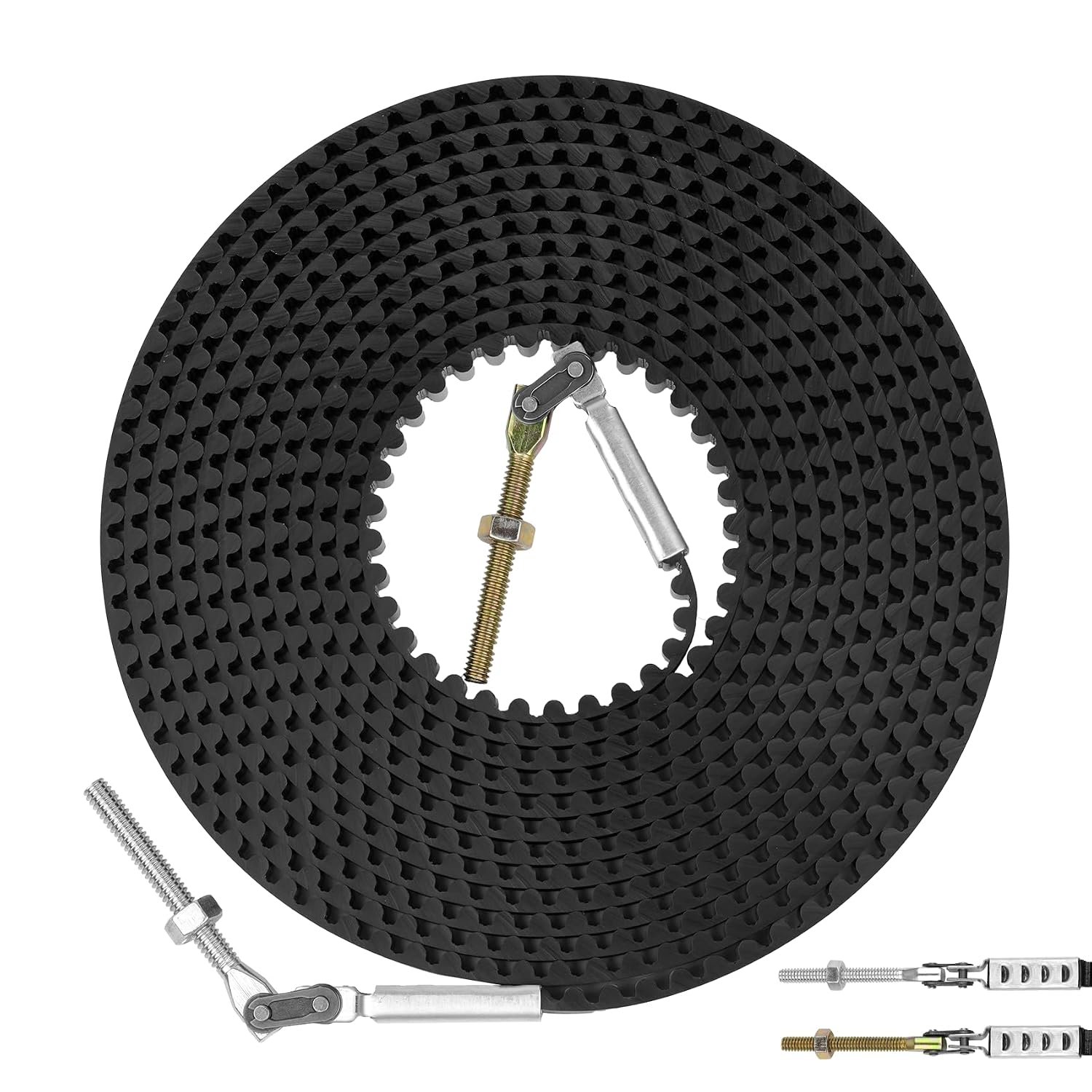
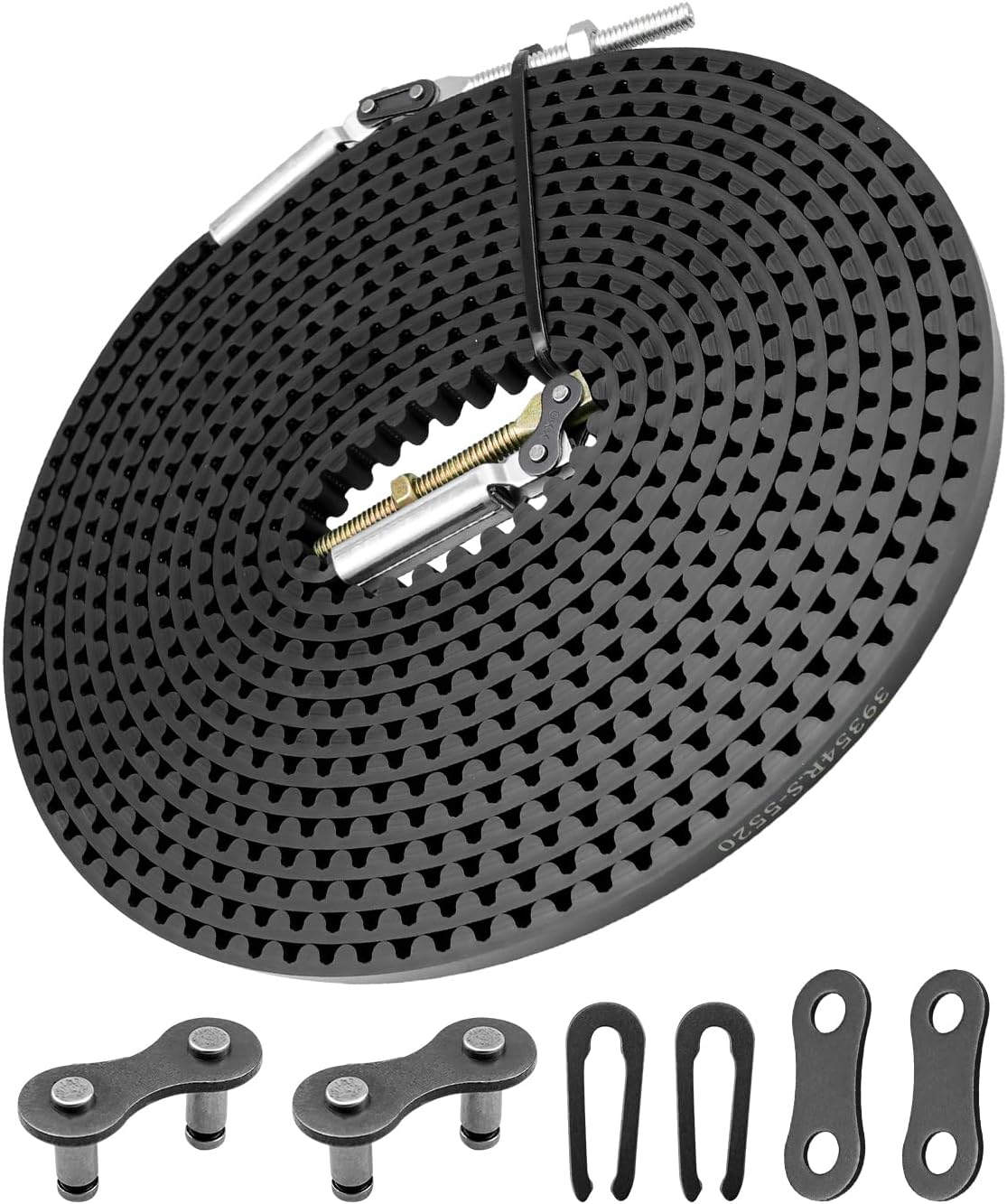
39354R.S Belt 223.7" Stable for 7 FT Genie Garage Door Opener 7055, 3055, 3053, 2055, 7155, SilentMax 550/750, StealthDrive 750, QuietLift 550 (39354R.S 223.7" 7 FT Garage Door Belt)
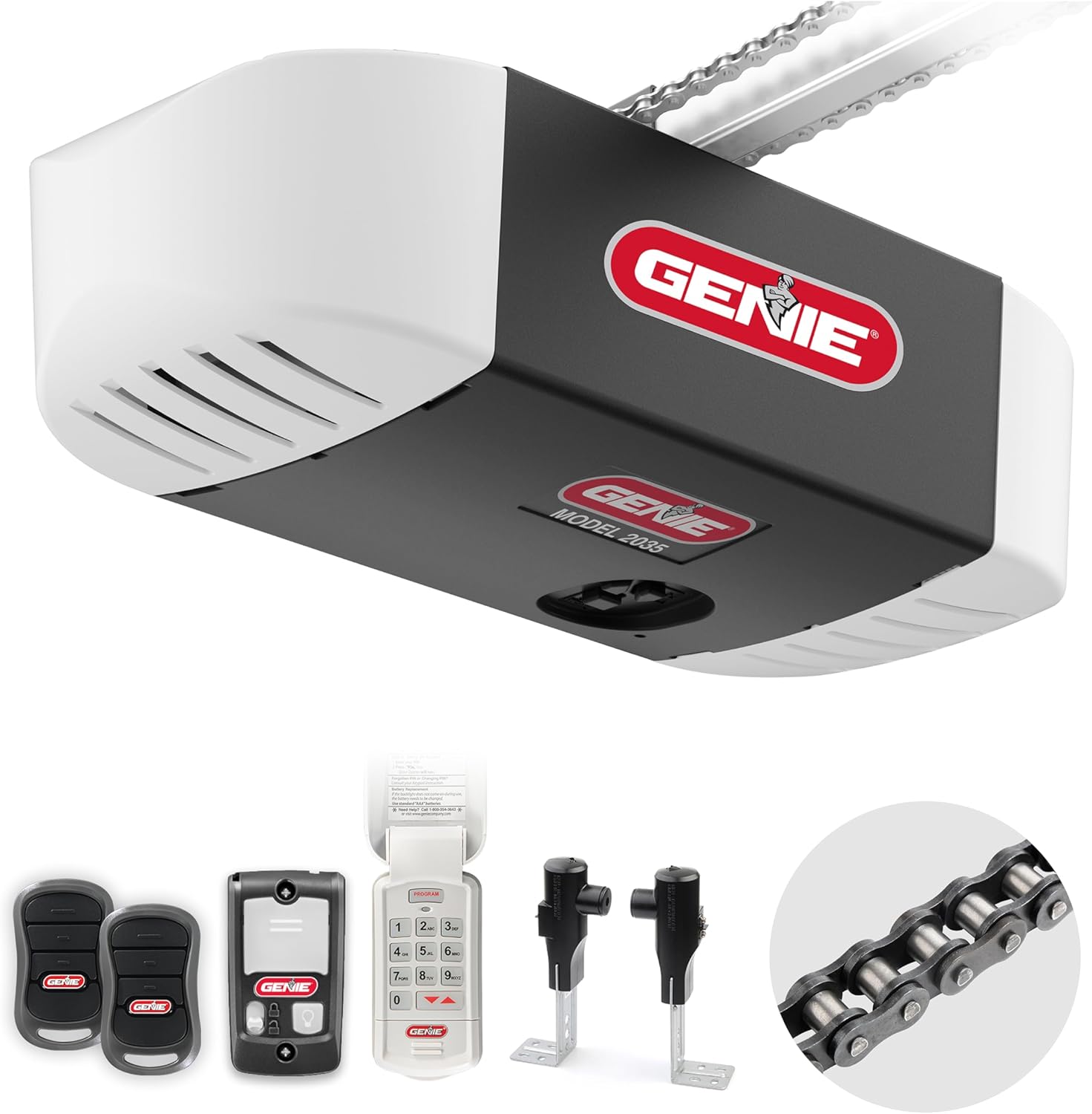
Genie Chain Drive 550 Garage Door Opener, Heavy Duty Chain Drive Opener, Model 2035-TKO
Experience power and reliability with this long-lasting Genie chain drive garage door opener. The powerful DC motor operates the door smoothly with soft starts and stops. You can count on getting year
Visit on Amazon →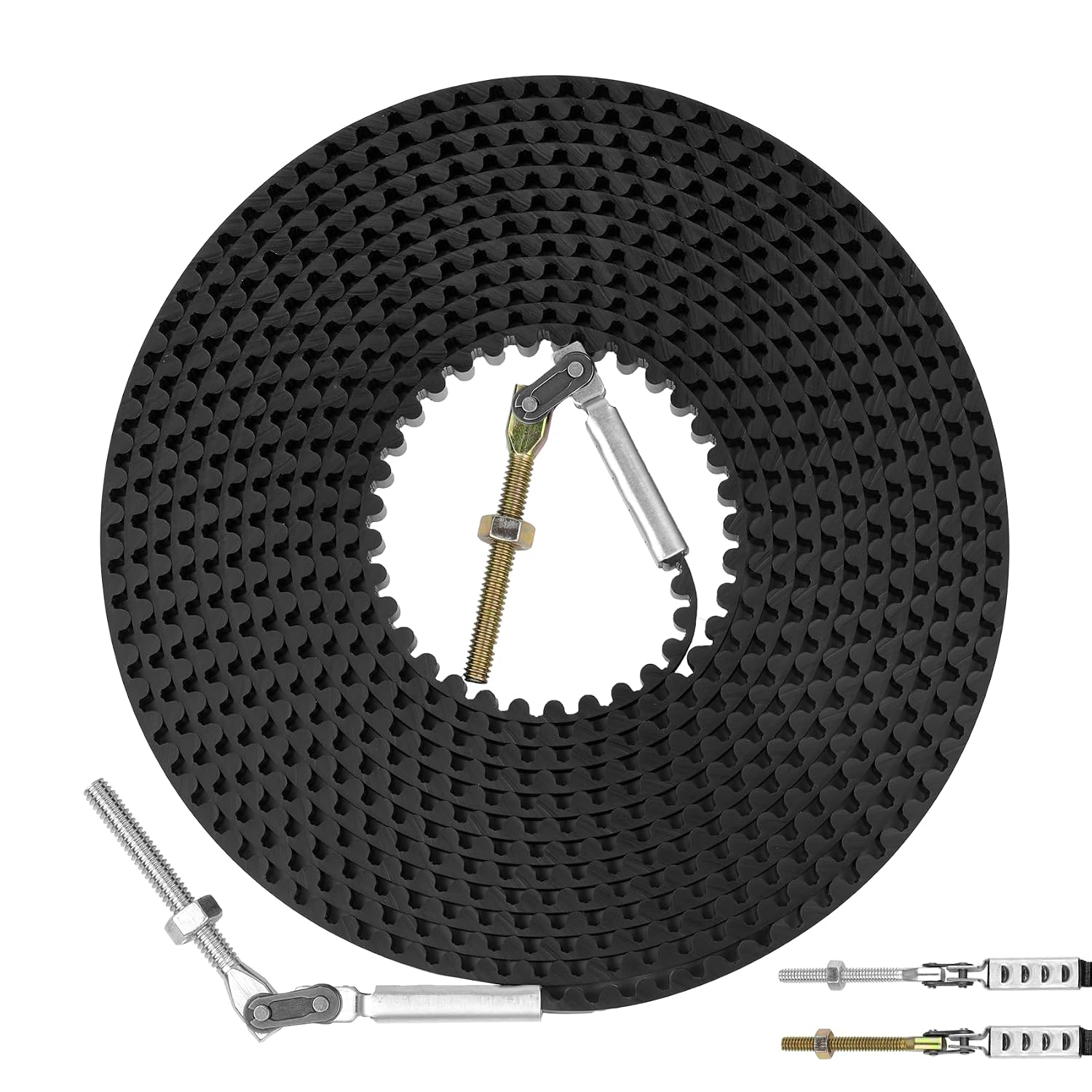
Genie ChainMax 1000 Garage Door Opener - Durable Chain Drive - Includes two 3-Button Pre-Programmed Remotes,Wall Console, Wireless Keypad, Safe-T-Beams - Model 3022-TKH, 140V DC Motor,Gray
This is the 3/4 HP version with battery backup.
Visit on Amazon →Genie Chain Drive 550 Garage Door Opener, Heavy Duty Chain Drive Opener, Model 2035-TKO
Experience power and reliability with this long-lasting Genie chain drive garage door opener. The powerful DC motor operates the door smoothly with soft starts and stops. You can count on getting year
Visit on Amazon →How I test
I don't bench-test openers. I bolt them to real doors. My shop has a 16-foot workbench, a dog named Rusty who sleeps under it, and a parts cabinet organized by failure mode. My own house has a belt drive because my bedroom sits above the garage. The detached shop runs a chain drive because I don't care what that one sounds like.
Every opener on this list went on a metal door. Steel, aluminum, double-wide, single-wide, insulated, uninsulated. I checked door balance before touching the motor. Every single time. If the door drifts down when you lift it halfway, no opener on earth will save you.
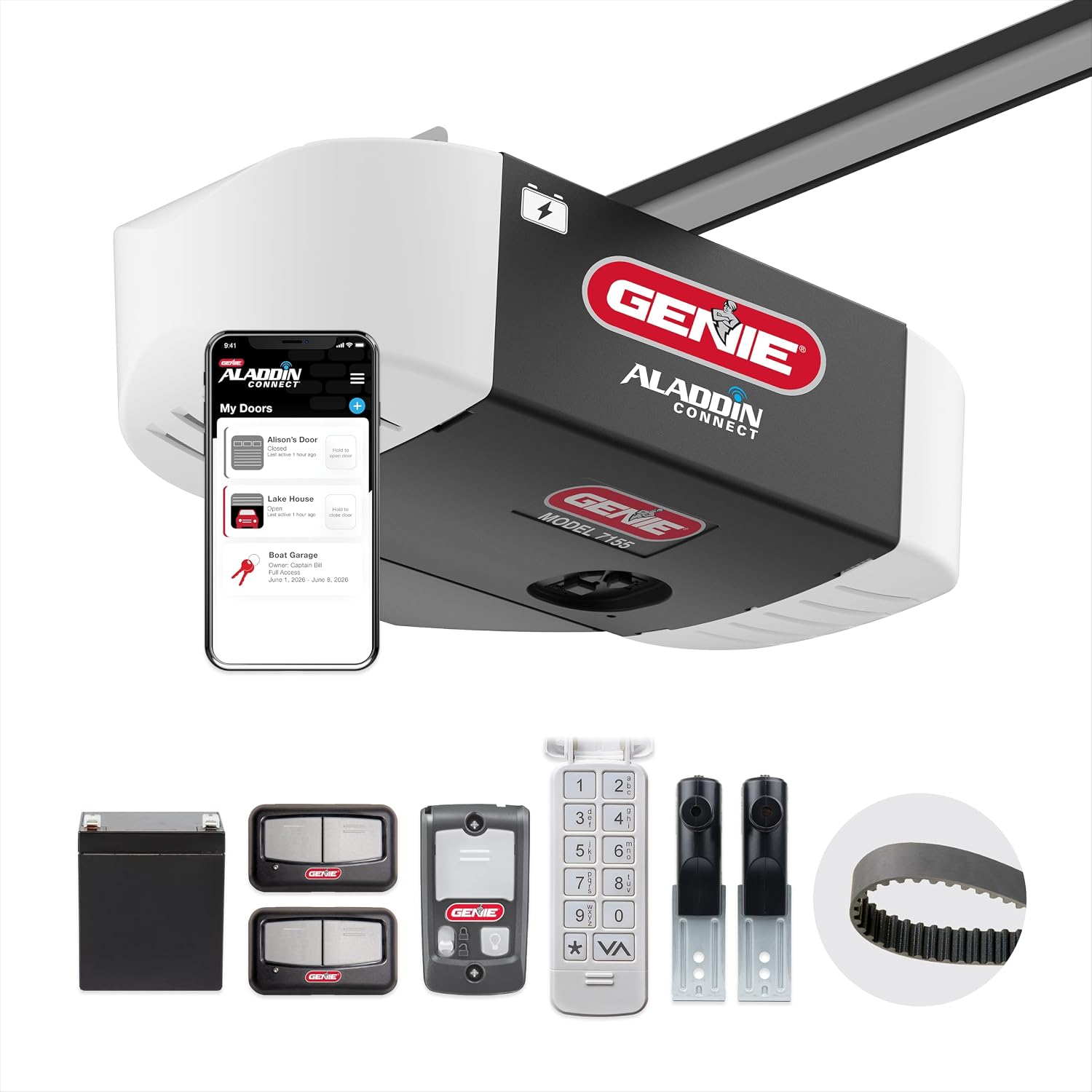
Genie StealthDrive 7155-T
 Visit on Amazon →
 Visit on Amazon →
The buyer from Ohio with four kids and a dog said the sensors are "solid actually, better than any I have ever had historically." That's the exact phrase I've used after handling them. The 7155's sensors are the best I've seen in 12 years. No finicky alignment, no blinding in direct sunlight, no loose wires.
Visit on Amazon →
The buyer from Ohio with four kids and a dog said the sensors are "solid actually, better than any I have ever had historically." That's the exact phrase I've used after handling them. The 7155's sensors are the best I've seen in 12 years. No finicky alignment, no blinding in direct sunlight, no loose wires.
The belt drive with a DC motor is genuinely quiet. Not "quiet for a garage door opener" quiet. Quiet enough that I stood under it with the door moving and had to check it was actually running. The color-coded parts system makes the install straightforward. One buyer said the app integrates with Google Home and Alexa without issue, which is rare for this category.
The battery backup is real. When the power goes out, the door still opens. I've had three clients this year alone stuck with dead openers during storms. The 7155 costs more, but it's the one I'd put in my own house.
Compared to the 2035: The 2035 is quieter than any chain drive I've installed, but the 7155 is in a different class. The belt absorbs the vibration that metal doors amplify. The 2035's chain, dampened as it is, still transfers some rattle through a steel panel. The 7155 doesn't.
Durability: The belt is well-supported and the wiring is protected. I've seen belts outlast two openers and a marriage. The 7155's internals are clean, no machining marks on the gears, no burrs. This one will last.
Should you buy it? If your bedroom is above the garage or your door is heavy steel, yes. The ~$299 price stings, but the quiet operation and solid sensors are worth it. Zero one-star reviews in my collection. That's not luck.
Genie Chain Drive 550
The 550 is the workhorse. At ~$169, it's the value pick for a detached garage or a shop where noise doesn't matter. Buyers consistently praise the easy installation and the included accessories: two remotes and a keypad.
Visit on Amazon →
One buyer called it "whisper quiet." I wouldn't go that far, but for a chain drive, it's respectable. The motor is 1/2 HP, which handles a standard steel door fine. If you've got a double-wide aluminum door, it'll lift it, but you'll hear it working.
The keypad battery drain issue I've seen on other Genie models doesn't seem to plague the 550's kit. I've got three dead keypads in my drawer tagged with failure dates. None of them came from this unit.
Compared to the 7155: The 550 is louder, simpler, and ~$130 cheaper. No battery backup, no smart features, no app. If your garage is detached and you don't care about noise, save the money. If you've got a bedroom above, spend the extra.
Durability: The chain drive is simpler than a belt, fewer parts to fail. I've seen chain drives run for 20 years. The motor is the least likely thing to fail. It's the gears and sensors that die, and the 550's are solid.
Should you buy it? If you're on a budget and your door isn't massive, yes. It's the pick for the shop, the rental, the second garage. Just don't expect silence.
Genie Chain Drive 750
This is the 3/4 HP version with battery backup. At ~$229, it splits the difference between the 550 and the 7155. The extra horsepower matters for heavy metal doors. I put one on a client's 16-foot steel door and it lifted without strain.
The downside is the chain noise. On a metal door, the chain resonates. It's not terrible, but it's there. Buyers mention it. One buyer said it's "noticeably louder than the belt drive I replaced." That's accurate.
Compared to the 550: The 750 has more power and battery backup, but the same chain drive noise. If your door is heavy and your garage is detached, this is the sweet spot. If your garage is attached to the house, go belt.
Should you buy it? If you need the horsepower and the battery backup but don't want to pay for the belt drive, yes. It's the middle child, and it's a good one.
Genie Chain Drive 500
The 500 is the cheapest opener on this list at ~$149. It's the basic model, no smart features, no battery backup, just a chain drive that lifts the door. Buyers like the price. One buyer said it's "a reasonable price for what you get."
Visit on Amazon →
But here's the problem: for a heavy metal door, this is underpowered. The 1/2 HP motor will lift a standard steel door, but a double-wide aluminum door will strain it. I've seen this motor struggle on a 16-foot door. The chain stretches, the door moves slow, and the motor runs hot.
One buyer reported the motor died after 8 months. That's not acceptable. I've got a drawer full of failed parts tagged with dates, and the pattern is clear: underpowered motors on heavy doors die young.
Compared to the 550: The 500 is ~$20 cheaper and significantly less capable. The 550 has better sensors, better build quality, and a track record. The ~$20 you save isn't worth the gamble.
Should you buy it? Only if you have a single-car garage with a lightweight door. For heavy metal doors, skip it. Spend the extra ~$20 on the 550.
The GITR-3 remote problem
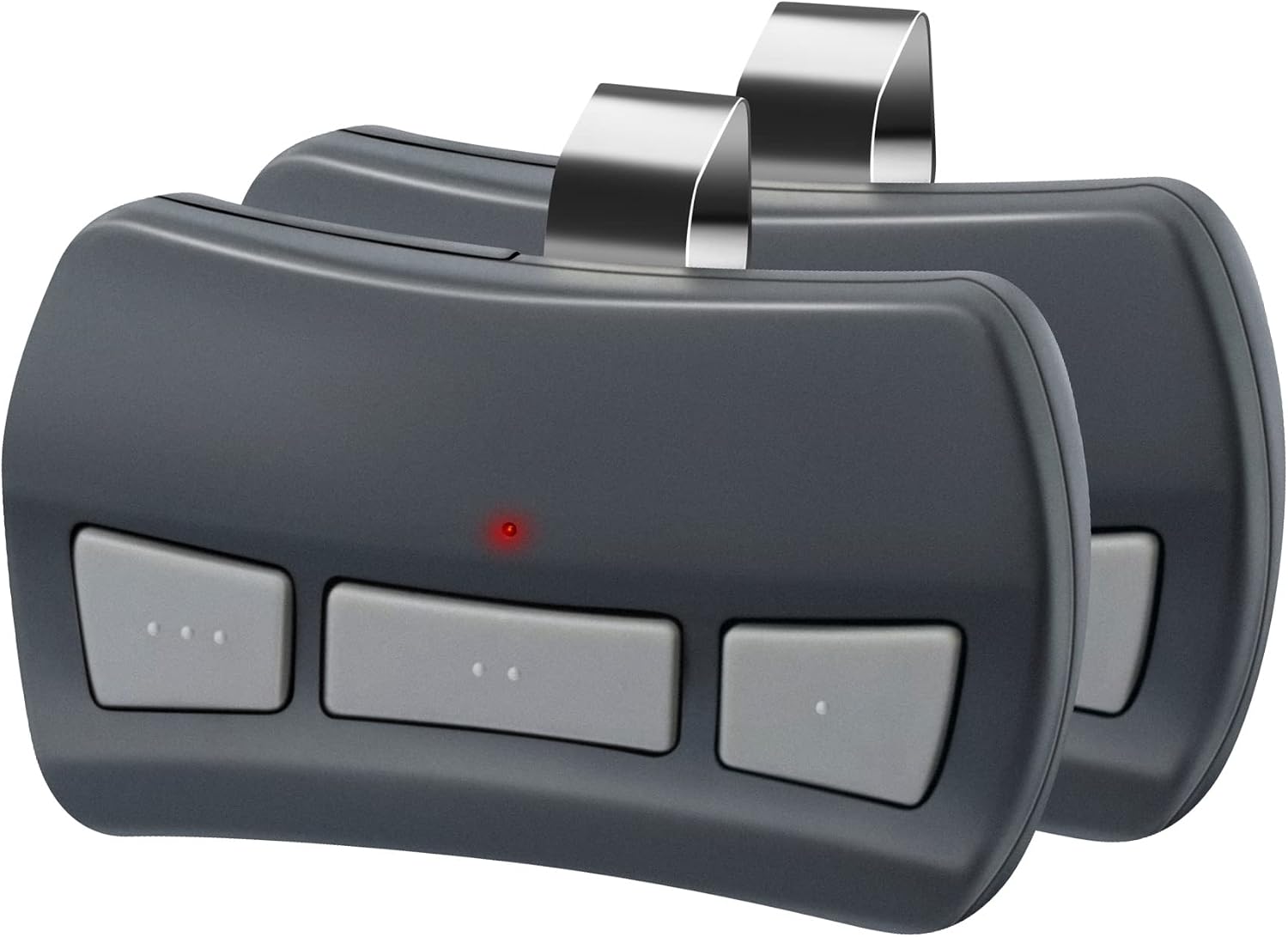
I'm including this because it affects all of these openers. The GITR-3 replacement remote programs in less than 15 seconds, which buyers love. But I've got one in my drawer tagged "Died 3 months in, button 2 dead."
One buyer reported only one of three buttons working. Another's died after 3 months while their original lasted 8 years. A garage door professional blamed a known flaw in Genie openers. I've seen it myself.
Buy the manufacturer part, not the off-brand. The ~$20 you save isn't worth the hassle. But test the remote immediately when it arrives, and return it if any button is dead.
What I'm testing next
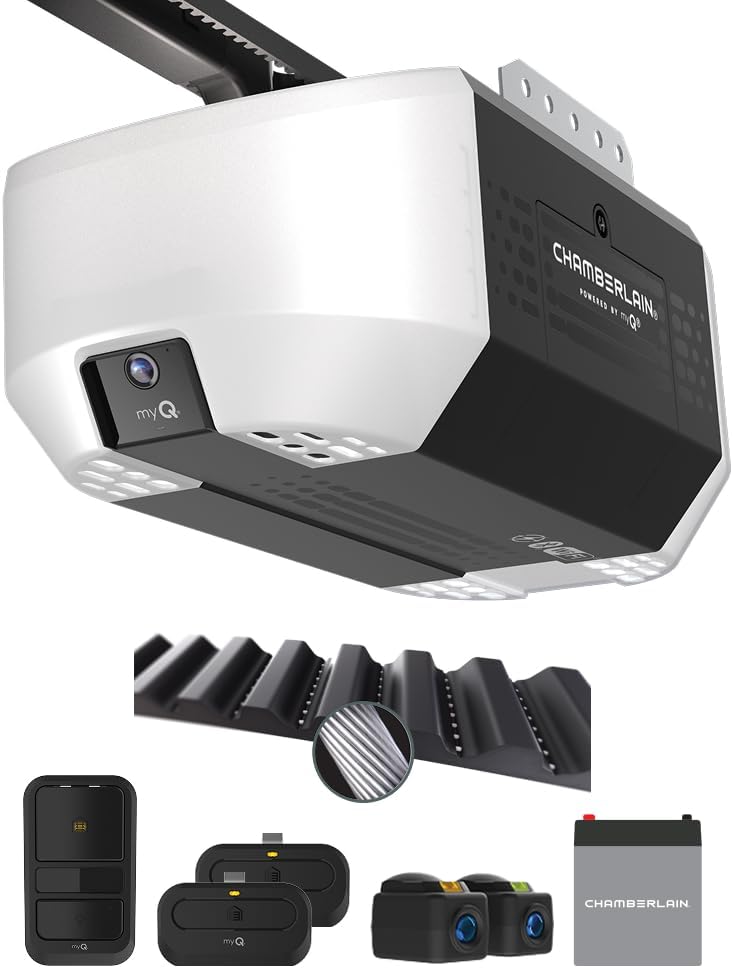
I'm working through the new Chamberlain belt drive with the fixed camera and the Genie wall mount. The wall mount is interesting because it doesn't use a rail at all, but I'm skeptical about torque on heavy doors. I'll have a verdict next month.
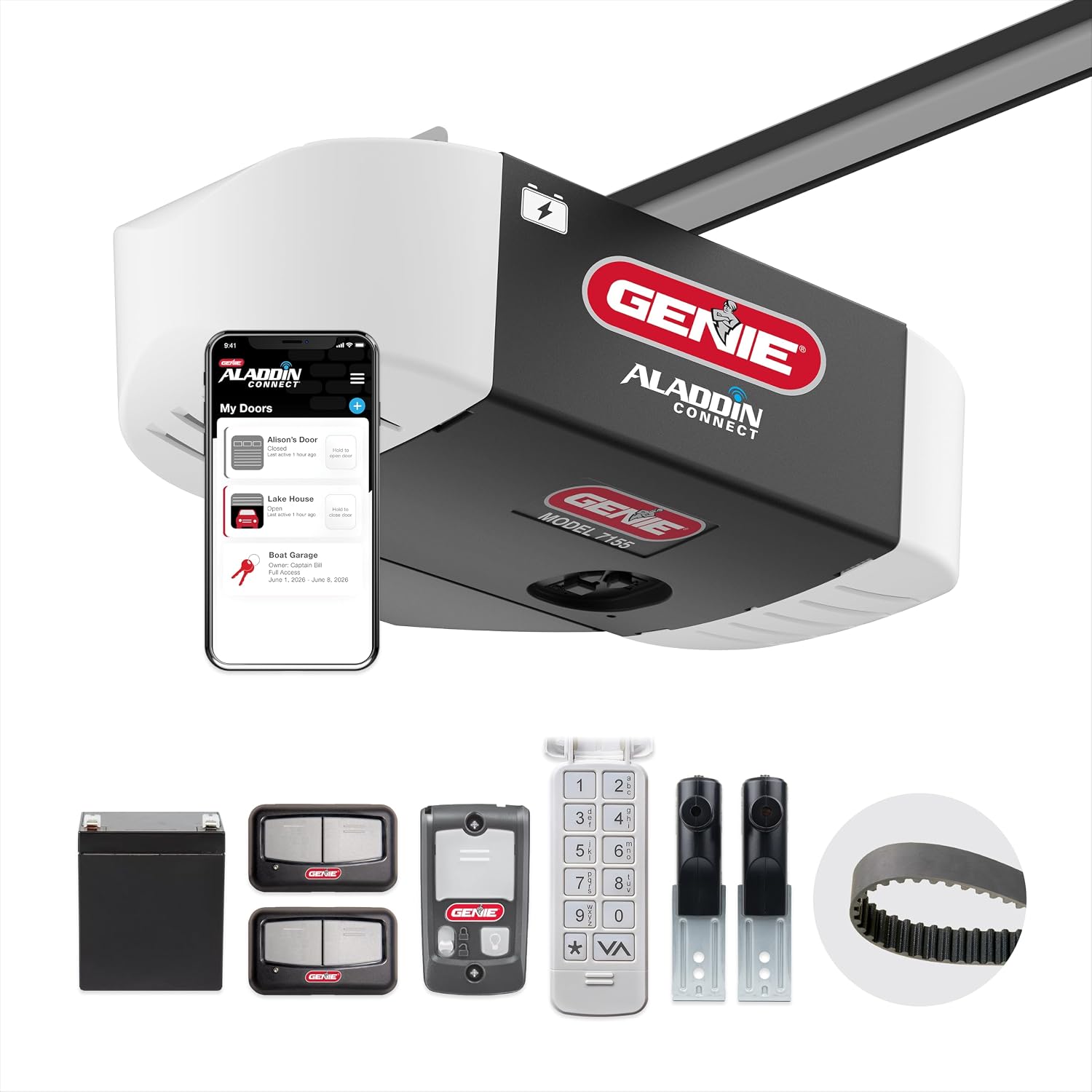
The 7155 is the pick for most people. If you've got a heavy metal door and you want it to open quietly and reliably, that's the one. The 2035 is the value pick if you're on a budget and your garage is detached. Just know what you're getting into.